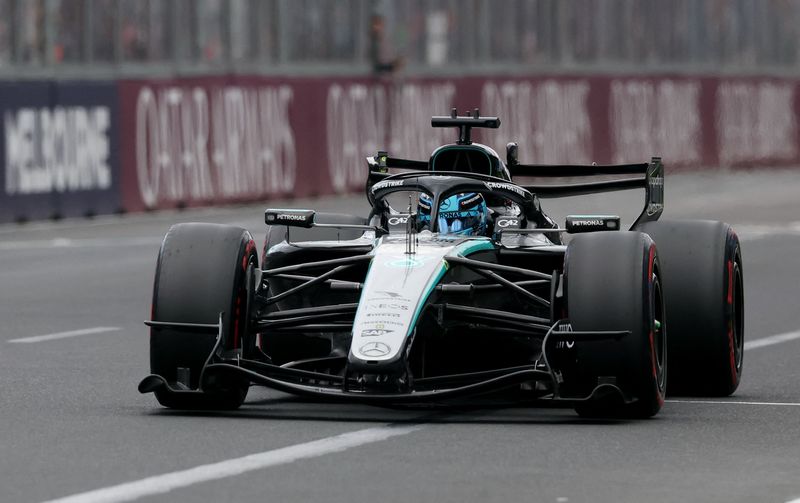
George Russell during Qualifying for the 2026 Australian Grand Prix.
Before the 2026 season even began, I was already skeptical about the new regulations. Drivers like Max Verstappen had been speaking out against the rule changes as early as 2023, warning that the cars would feel unnatural and overly dependent on battery management. Hearing top drivers express concerns made me question whether the FIA was pushing the sport in the right direction. So going into the season, I wasn't sure if these new rules would actually improve the racing or make it feel more artificial.
George Russell during Qualifying for the 2026 Australian Grand Prix.
My concerns grew stronger once I watched qualifying at the Australian Grand Prix. The "super-clipping" down the straights immediately stood out to me. Seeing cars slow down dramatically just to harvest enough battery for key parts of the lap felt wrong for Formula 1. In qualifying you want to see the drivers on the limit and this was not the case. If a driver ran out of battery, they were suddenly much slower on the straight, which made the performance look inconsistent and unnatural. Instead of showcasing pure speed, qualifying became a balancing act of energy management, and that took away from the excitement.
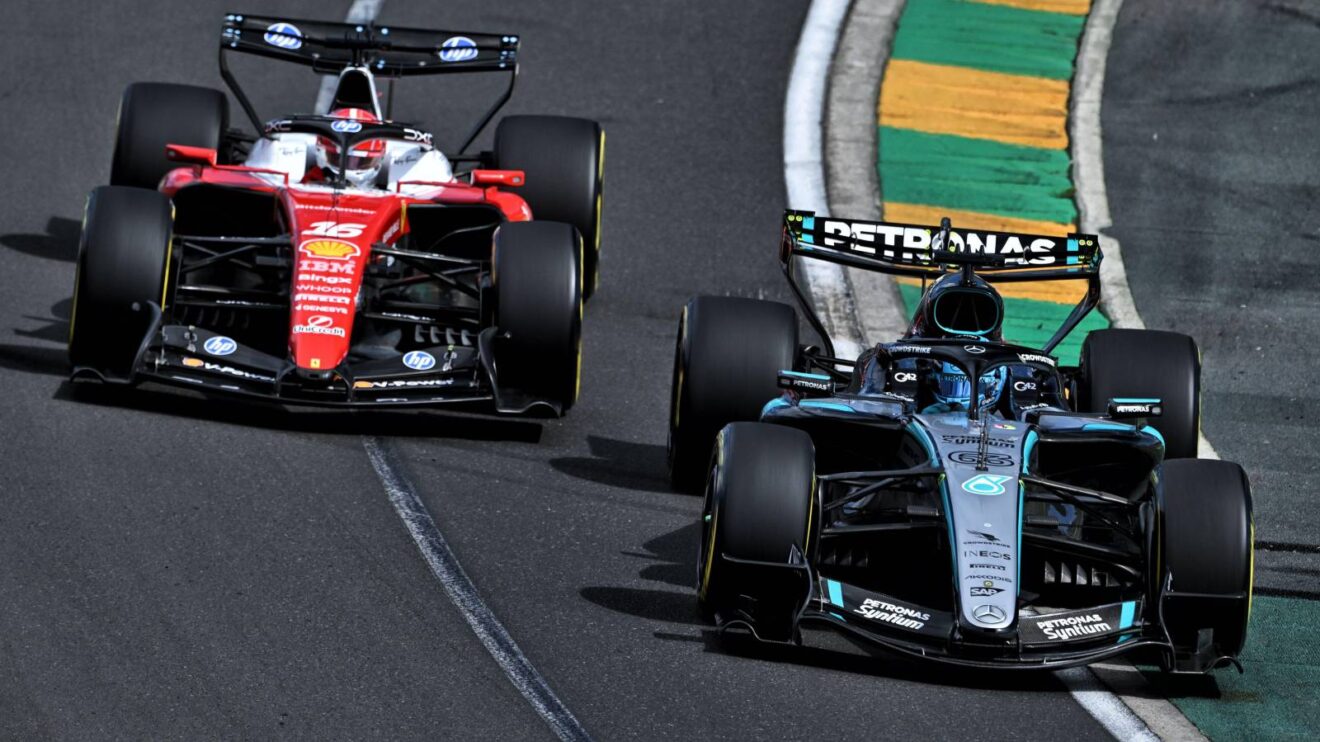
Charles Leclerc (Left) battling George Russell (Right) for Lead.
Watching the race itself was a mixed experience. The first ten laps were genuinely exciting because the cars were close together, and you could see drivers planning when to push their battery to attempt an overtake. However, the problem was that using battery on one straight often meant getting passed right back on the next straight. It created a rubber-band effect that reminded me more of Mario Kart than Formula 1. The constant back-and-forth didn't feel like strategic racing; it felt like an artificial mechanic controlling the flow of the race.
After the first ten laps, the excitement faded quickly. Once the field spread out, the racing became noticeably dull. Drivers had to manage their battery so carefully that there were fewer real battles, and the cars didn't seem capable of staying close for long periods. The combination of reduced downforce and heavy energy management made the racing feel less natural and less intense. It was disappointing to see how quickly the action died down after such a promising start.
Overall, I still believe the 2026 regulations have potential, but the early races have shown that the FIA may need to make adjustments. The sport is clearly in a transition period, and teams will continue learning how to optimize these new cars. I hope that as the season goes on, the racing becomes more consistent and less dependent on battery gimmicks. These teams have figured out ways to resolve issues from previous regulation changes as the regulations go on, but it seems like the "super clipping" might take some time to fix. Formula 1 has always evolved, and I want this new era to eventually find the right balance between innovation, sustainability, and the pure racing excitement that makes the sport special. On the next page, I will list the sources and credits for the images and information used throughout this website.