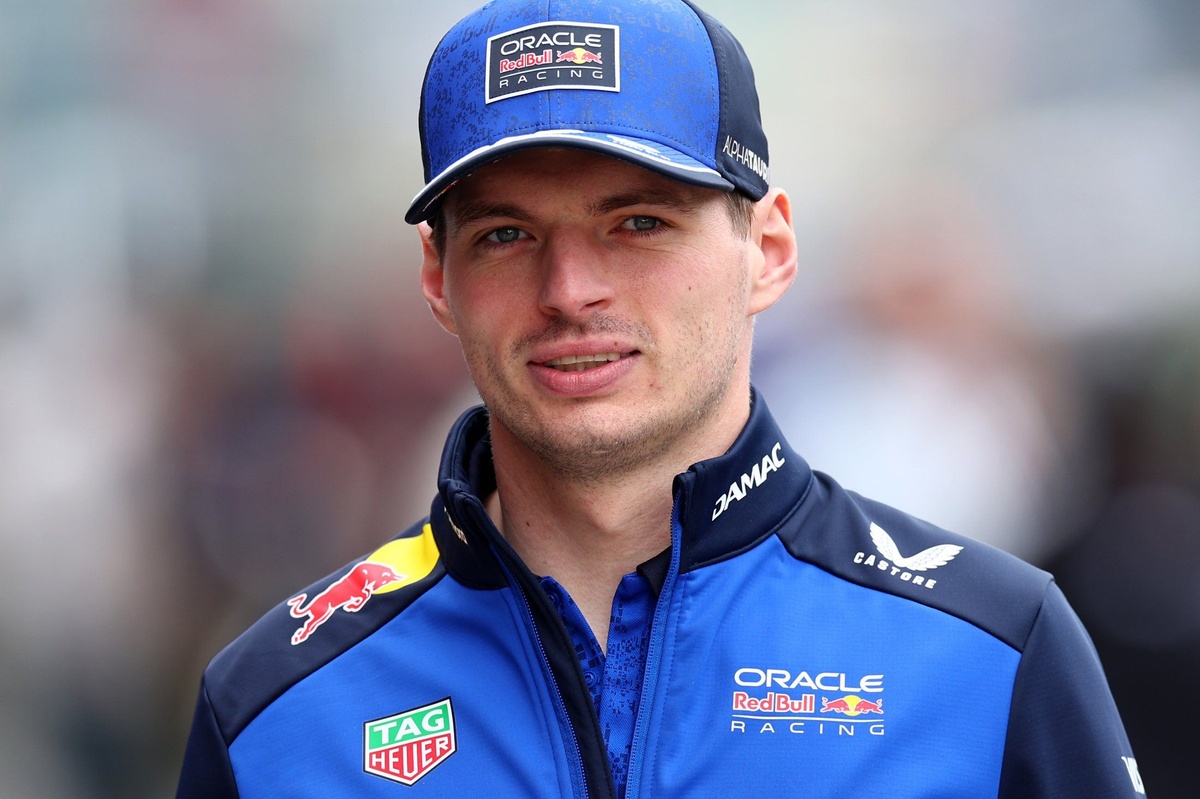
Max Verstappen, Red Bull Formula 1 Driver.
The 2026 Formula 1 season has already been filled with controversy, even though only two races have taken place so far in Australia and China. These early races have shown just how different the sport feels under the new regulations. The reduced downforce, increased electric power split, and active aerodynamics have created unpredictable performance swings that many drivers are struggling to adapt to. Fans have also noticed that the racing looks and feels different, raising questions about whether the FIA's vision for closer competition is actually being achieved.
Max Verstappen, Red Bull Formula 1 Driver.
Max Verstappen, a four-time World Champion and one of the most accomplished drivers on the grid, has been one of the most outspoken critics of the new rules. After the first two races, Verstappen said the cars feel "unnatural" to drive, especially in high-speed corners where the reduced downforce makes them unstable. He has also criticized the heavy reliance on battery deployment, arguing that drivers now spend too much time managing energy instead of racing. His early-season feedback has fueled much of the debate surrounding the new era of Formula 1.
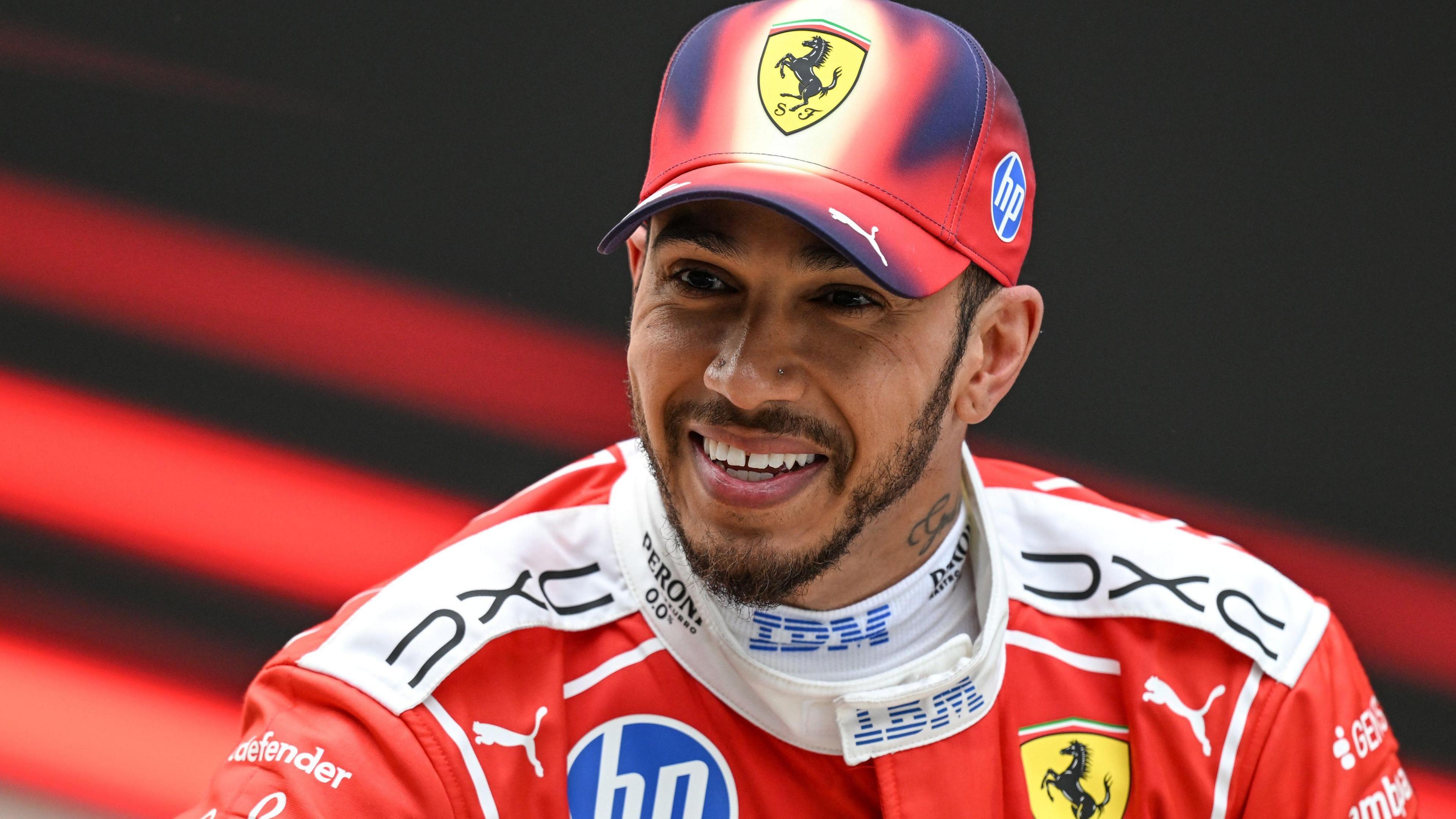
Lewis Hamilton, Scuderia Ferrari Formula 1 Driver.
Verstappen is far from alone. Seven-time World Champion Lewis Hamilton has also voiced concerns after experiencing the new cars in Australia and China. Hamilton noted that the active aero system makes the cars unpredictable during close battles and that the reduced downforce creates instability in high-speed corners. Other drivers have echoed similar frustrations, pointing out that the increased electric power split leads to strange acceleration differences that make overtaking feel artificial. When multiple drivers including champions, veterans, and rising stars express the same worries, it becomes clear that the controversy is not limited to one team or one perspective.
The drivers' reactions carry the most weight because they are the ones who experience the cars at the limit. Engineers can model performance, and fans can speculate, but only the drivers know how the new regulations feel in real racing conditions. Their early feedback suggests that the 2026 cars may not be delivering the stability, raceability, or driving enjoyment that the FIA promised. The fact that so many drivers share similar concerns has intensified the debate about whether the sport is moving in the right direction.
These early-season reactions show just how uncertain the future of Formula 1 feels under the 2026 regulations. Some believe the changes will eventually improve the sport as teams adapt, while others fear the new rules may take away the elements that make F1 thrilling. On the next page, I will share my own thoughts and predictions about how these regulations might impact the sport in the long run and whether Formula 1 is heading in the right direction.